Shopify
Is Shopify Worth It for Small Businesses in 2026?
Key takeaways
- Shopify’s real cost is the plan plus payment fees plus apps, not the plan alone.
- Its biggest strengths are a reliable checkout, built-in hosting and security, and a huge app and partner ecosystem.
- The most common complaints are app subscriptions that add up, transaction fees and platform dependence.
- You can export products, customers and orders as CSV, but your theme and app setup do not move with you.
- For very small or hobby sellers, a marketplace, a social shop or Shopify Starter may be enough to start.
Ask whether Shopify is worth it on r/shopify, r/smallbusiness or the Shopify Community and you get split answers. Some owners say it is the easiest way to run a real store. Others say apps and fees quietly eat their margin. Both are true, depending on your business. Here is a balanced view.
What does Shopify actually cost a small business?
Plan on $29–$79 per month for the plan on annual billing, about 2.7–2.9% + 30¢ per online card payment in the US, and $0–$200 per month in apps for a typical small store.
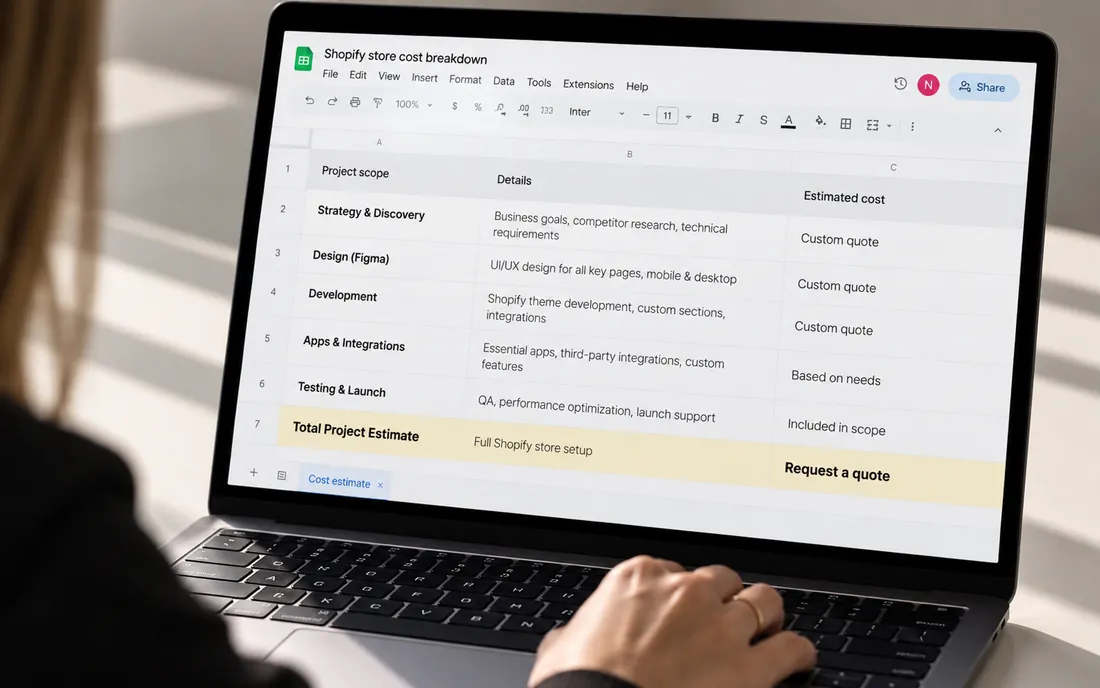
From Shopify’s pricing page: Basic costs $29 per month annually ($39 monthly) and Grow costs $79 per month annually ($105 monthly). There are no setup fees. Using a third-party payment provider instead of Shopify Payments adds 2% on Basic or 1% on Grow. US stores can usually start with a short free trial and three months at $1 per month. Our full Shopify cost breakdown covers themes and professional builds.
What are the main advantages of Shopify?
Shopify takes care of the technical parts of ecommerce, so you can spend your time on products, marketing and customers.
- Hosting and security included. Shopify is certified Level 1 PCI DSS compliant, according to Shopify, and you never manage servers or updates.
- A checkout customers trust. Shopify’s checkout, Shop Pay and payment options work out of the box.
- Ecosystem. Over 16,000 apps in the Shopify App Store and a large network of partners and developers.
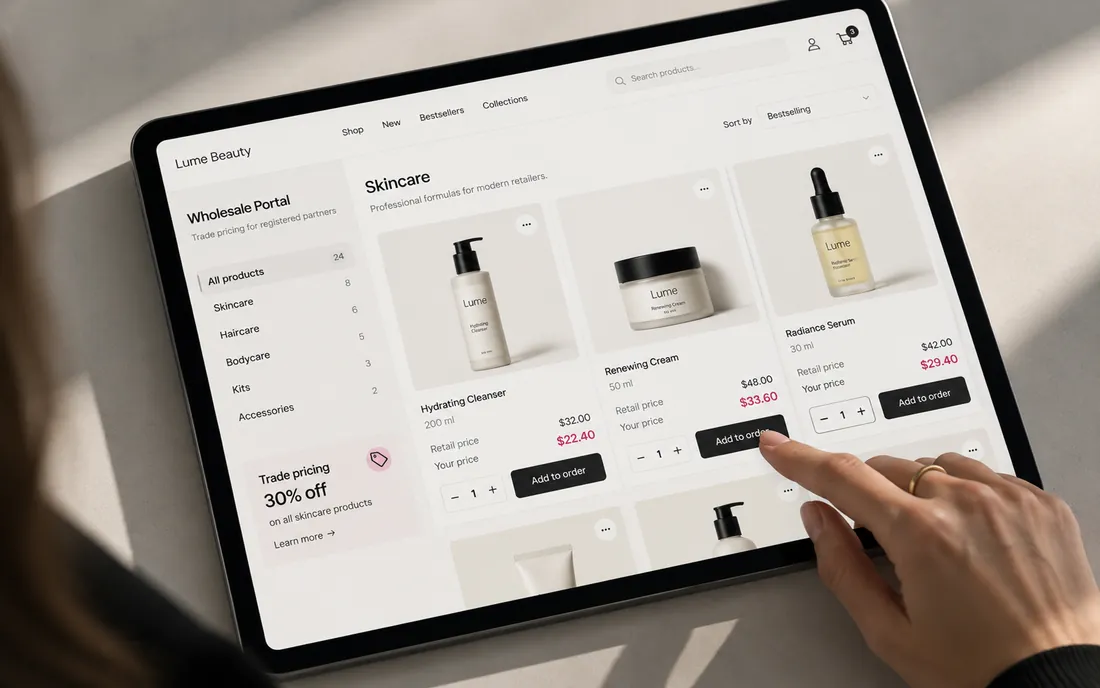
- Room to grow. Since April 2, 2026, native B2B and wholesale features are included on Basic, Grow and Advanced, so a small brand can add wholesale without changing platforms (Shopify).
- Selling everywhere. Point of sale, social channels, marketplaces and AI channels such as ChatGPT through agentic storefronts.
What are the downsides people raise on Reddit?
The most common complaints are app costs, fees on thin margins and dependence on one platform. These are fair points to weigh before you commit.
App subscriptions add up
Many features come from third-party apps with monthly fees, and some charge by usage. A long-time merchant on the Shopify Community described apps that moved from free to monthly plus usage-based pricing, with top tiers around $150 per month for large catalogs (Shopify Community). Summaries of r/shopify threads list app overload, conflicts and slow stores among the most frequent problems (PainOnSocial).
Fees on low-priced products
Merchants selling low-priced items often find that subscription, card fees and apps take a larger share of each order than expected. The fixed 30¢ per transaction matters a lot on a $10 product.
Lock-in and portability
You own your data: Shopify lets you export products, customers and orders as CSV files. What does not move is your theme, which is written for Shopify, and your app setup. Leaving means rebuilding your storefront on the new platform.
Less control than open source
URL structure is fixed, checkout customization is limited outside Shopify Plus and deeper changes require Liquid development. For most stores this is fine; for unusual requirements it can be a constraint.
How do Shopify’s pros and cons compare?
For most product businesses, the pros outweigh the cons, as long as you keep apps under control.
| Concern | Reality | How to manage it |
|---|---|---|
| Monthly cost | $29–$79/mo for most small stores (annual billing) | Pay annually; upgrade only when fee savings justify it |
| Transaction fees | Extra 2% on Basic with third-party payment providers | Use Shopify Payments where available |
| App costs | $5–$50 per app per month is common | Use native features first; audit apps quarterly |
| Lock-in | Data exportable; theme and apps not portable | Keep product data clean and documented |
| Customization limits | Fixed URLs; advanced checkout changes need Plus | Use theme sections, metafields and a developer for the rest |
When is Shopify not worth it?
Shopify may not be worth it if you sell only a handful of items occasionally, have very thin margins, or mostly publish content with a small shop on the side.
- Hobby or occasional sellers: a marketplace like Etsy, a social shop or Shopify’s Starter plan for selling through links may be enough to test demand.
- Content-first businesses: if your site is mainly a blog or publication with a few products, WordPress with WooCommerce may fit better. See Shopify vs WooCommerce.
- Very unusual requirements: highly custom pricing logic or checkout flows may need Plus or a different platform.
How do you get the most value from Shopify?
Start lean, choose the right plan, and invest in a solid store structure rather than a pile of apps.
- Validate demand first, using the trial and a free or premium theme.
- Use Shopify Payments to avoid extra transaction fees.
- Before installing an app, check if your theme, Shopify Flow, Shopify Email or native B2B already covers it.
- Set up collections, product data and navigation carefully from the start.
- Review your plan when sales grow: higher plans have lower card rates.
Our take: Shopify is worth it when you treat it as the foundation of your business, not a collection of plugins. Most of the frustration we see comes from stores that grew by adding apps instead of improving the theme and setup.
Is Shopify better than selling on Etsy or Amazon?
They do different jobs. Marketplaces bring existing traffic but charge per-sale fees and limit your branding and customer data, while Shopify gives you your own brand, customer list and margins but requires you to bring the traffic.
Many small businesses use both: a marketplace for discovery and a Shopify store for repeat customers, email marketing and higher-margin direct sales. Shopify can also sync products to marketplaces and social channels from one admin, with 50 synced marketplace orders per month free on its pricing page and a small fee beyond that.
Our take: if you plan to build a brand that people search for by name, you need your own store eventually. Shopify is the lowest-maintenance way to have one.
How we can help
We build Shopify stores that rely on clean theme work and native features first, so you are not paying for apps you do not need. Everything is set up under your own Shopify account. Explore our Shopify development service or read our FAQ.
Send us your store URL and we'll email you the fixes that matter most. No call needed.
Frequently asked questions
Is Shopify worth it for a beginner with no experience?
For most beginners selling physical products, yes, because hosting, security and checkout are handled for you. Start with a free or low-cost theme, use the trial to test, and avoid paying for many apps before you have sales.
How much does Shopify take per sale?
Shopify does not take a commission with Shopify Payments, but US online card processing costs about 2.5–2.9% + 30¢ depending on your plan. If you use a third-party payment provider, Shopify adds a 0.6–2% transaction fee.
Can I leave Shopify later?
Yes. You can export products, customers and orders as CSV files and import them into another platform. Your theme and app configuration do not transfer, so you would need to rebuild the storefront.
Is Shopify Basic enough for a small business?
Basic covers what most small stores need, including unlimited products, discounts, abandoned checkout recovery and, since April 2026, native B2B features. Grow becomes worth it when you need more staff accounts or your sales volume makes the lower card rates pay off.
Why do Shopify stores end up paying so much for apps?
Many features are provided by third-party apps that charge monthly or usage-based fees, and stores tend to add apps over time without removing old ones. A quarterly app audit and using native Shopify features first keeps costs under control.
Sources
- Shopify Pricing
- Shopify Security
- Shopify App Store
- Shopify News: B2B for all (April 2, 2026)
- Shopify Help Center: Agentic storefronts
- Shopify Help Center: Exporting products
- Shopify Help Center: Exporting customers
- Shopify Help Center: Exporting orders
- Shopify Community: Apps have become worse than the mafia
- Shopify Community: Is Shopify worth it for a small business owner just starting out?
- PainOnSocial: Shopify problems on Reddit